
How Long Does a Maine Coon Live? My Owner’s Guide to Maine Coon Life Expectancy

As someone who has shared life with a majestic and gentle giant of a cat, a Maine Coon, for many years, I often find myself reflecting on one key question: how long does a Maine Coon live? By the way, in short the average lifespan of a Maine Coon is 12 to 15 years, and the length of a Coons life depends on various factors. In this guide I’ll walk through what to realistically expect when it comes to life expectancy Maine Coon, life span Maine Coon, and everything in between based on my personal 8+ years of experience, vet-backed research, and the passion of being an owner who wants the very best for my cat.
Maine Coon Life Expectancy Calculator
Estimate how long your Maine Coon may live based on genetics, lifestyle, diet, and health factors.
Estimated Life Expectancy
13 - 15 years
💡 Tips to Help Your Maine Coon Live Longer
- Keep your cat indoors to reduce accident and disease risk.
Understanding the Average Life Span of a Maine Coon
8 years ago when I first welcomed my Maine Coon into our home, I asked the same question: what should I expect in terms of lifespan, stages? According to several breed‐specific sources, the average lifespan tends to fall somewhere around 12 to 15 years for a healthy Maine Coon. For example, one community post reports that many respondents found their Maine Coons living 15-16 years or even 17+ years.
Fun fact: In the Maine Coon world, a cat named “Rubble” holds the record as the oldest Maine Coon ever. He lived to the age of 31 and passed away in 2020.
Why Average Lifespan
It’s important to recognise that “average” doesn’t mean “maximum”. Some Maine Coons may live much shorter lives, others may live well into their late teens or beyond. For instance, the vet resources note a typical lifespan around 13 years, though that is “on the shorter end” given the breed’s size and potential health risks.
For me, this means when I care for my cat, I plan for a decade and more of companionship and I aim to create the conditions so that life span of Maine Coon cat is skewed toward the higher side rather than the lower.
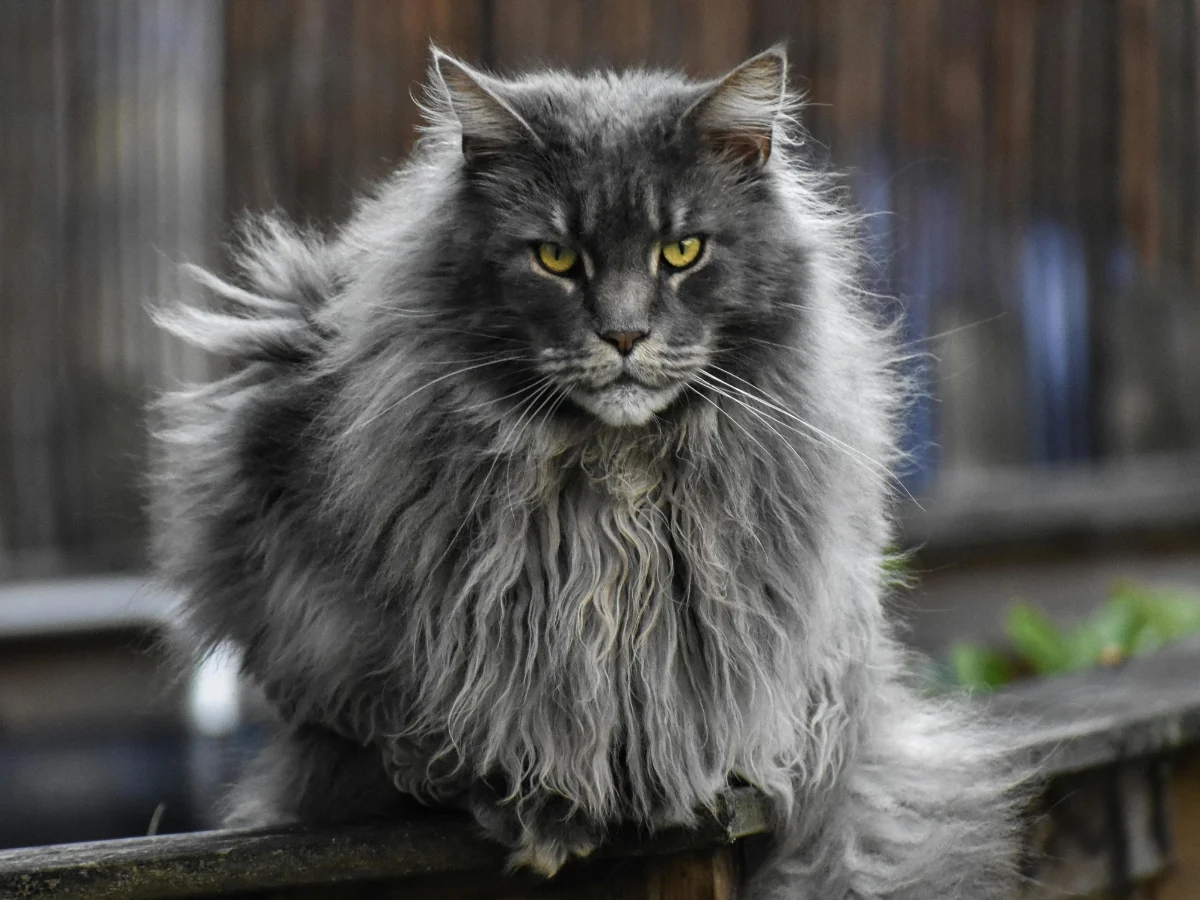
What Impacts the Life Expectancy of a Maine Coon?
As I’ve learned through experience and research, there are several key factors that influence how long a Maine Coon may live. Understanding these helps me as an owner to be proactive.
Genetic Predispositions
Maine Coons have a few known inherited health issues that can influence their lifespan and life cycle. One of the most significant is a form of heart disease called Hypertrophic Cardiomyopathy (HCM). In one study, cats with two copies of the MYBPC3-A31P mutation had a dramatically higher risk of HCM.
As an owner who chose a Maine Coon, I made sure to ask the breeder about health testing and to schedule regular cardiac checkups. Genetics matter, but they are only part of the story, supportive care plays a huge role. If allergies are a concern in your household, it’s worth reading whether Maine Coons are hypoallergenic before bringing one home.
Diet & Nutrition
Because Maine Coons are large, muscular cats and grow more slowly than many other breeds (they may take up to 3-5 years to mature), providing a balanced diet suited for their size is crucial. Overfeeding or feeding poor‐quality food can lead to obesity, joint stress, and shorter life expectancy. One resource emphasises that diet, exercise and stress-free environment together play major roles in longevity.
In my home, I select food formulated for large cats, monitor body condition, and avoid free-feeding too much. That way I help extend my cat’s life rather than shorten it. Read “how much do maine coon cat eats“
Activity, Enrichment & Living Environment
Where and how a Maine Coon lives can make a big difference. Indoor living in a safe, stimulating environment tends to increase lifespan compared to cats exposed to outdoor hazards. One report states that indoor Maine Coons “generally live longer” because of reduced risk of traffic accidents, infectious diseases, and stress.
In my case, providing climbing spaces, interactive toys, and safe access to windows (instead of unsupervised outdoor freedom) has helped keep my Maine Coon physically and mentally active and I believe that contributes to a longer life.
Regular Veterinary Care & Preventive Health
Having a trusted vet who understands Maine Coons, scheduling screenings (especially for heart conditions and joint health), dental care, and vaccinations all of these matter. The general cat longevity research also shows that body weight outside the ideal, and not being neutered/spayed, are associated with shorter lifespan.
Since I adopted my Maine Coon kitten, I’ve made a schedule: twice yearly vet checkups once senior, and once yearly when adult. I honestly believe this schedule contributes to the “life expectancy Maine Coon cat” trending upward in my home.
Lifestyle & External Environment
Lifestyle factors include size (giant Maine Coons may have more stress on joints or heart), gender (male cats sometimes face higher risk of certain diseases), and even geographic region. While there isn’t strong breed‐specific data for orange Maine Coon life expectancy or “black Maine Coon life expectancy,” it’s worth noting that colour variation is rarely the driver care and environment are far more important. Studies have found the median lifespan for purebred cats (including Maine Coons) to sometimes be under that of crossbreeds.
In my case, a climate like ours (warm summers, moderate winters) plus ensuring the cat stays indoors part of the time has helped mitigate hazards.
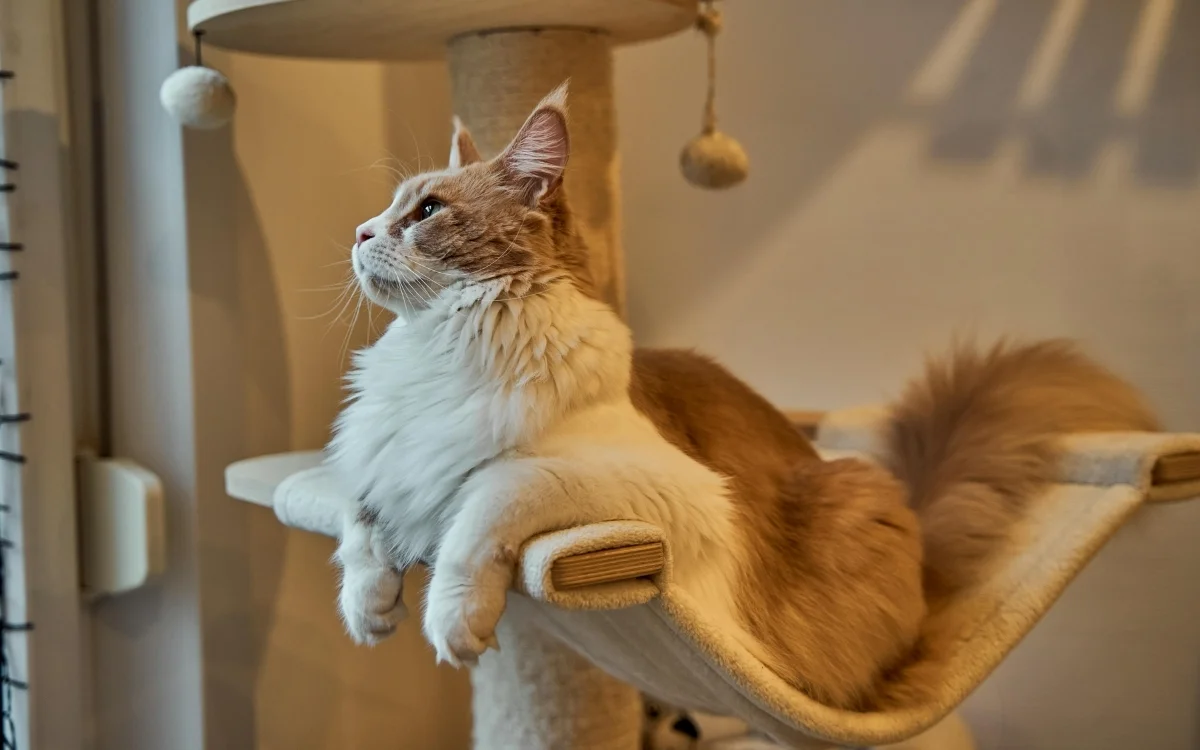
Life Stages of a Maine Coon Cat
From Kitten to Senior

Understanding the life stages helps me as an owner anticipate needs and potential transitions.
Realistic Life Expectancy by Different Maine Coon Categories
Let’s get realistic and talk about how different factors may adjust the baseline expectancy.
Gender
Some broader cat studies suggest females may live slightly longer than males, typically because of behaviour (less roaming, fewer fights) and spay/neuter effects. While breed‐specific numbers for Maine Coons by gender are limited, it’s worth keeping this in mind as an owner.
Size “giant” Maine Coons
Because Maine Coons are already large, those at the extreme size end may face more joint or heart stress, this could potentially shorten lifespan. In my home I’ve chosen to moderate the growth (healthy weight, avoid overfeeding) to reduce stress.
Colour Variants
If you think the color of a Maine Coon whether orange, black, or any other shade affects its lifespan, that’s not really true. However, some research and a few long-time owners have noticed that orange Maine Coons often seem to live a bit longer than others. And fun fact, the world’s oldest recorded Maine Coon was also an orange one 😹.
Region & registry
Whether a cat is from a breeder registered with The International Cat Association (TICA), or living in a warm vs cold climate, may influence care, genetics, exposure to parasites, and vet accessibility. While I live in a region with quality vet access, I account for local climate (air-conditioning in hot months, preventing overheating).
Indoor vs Outdoor Life Expectancy
Many owners ask “how long do indoor Maine Coon cats live vs outdoor?” While data is not breed-specific, the general consensus is indoor life is safer and usually means longer life. For example, one source says indoor Maine Coons “generally live longer” due to fewer accidents and disease exposures.
In my home we chose mostly indoor life with supervised outdoor time like on a secure patio, precisely to tilt the risk-balance in favour of longevity.
Top Tips from Me As a Maine Coon Owner, to Help Your Cat Live Longer
Here is my personal practical things I strongly recommend based on years of experience and cat-care best practices:


Feed high quality
Appropriate cat food for large/breed cats. Monitor body condition and avoid obesity (which shortens lifespan).

Indoor enviropent
Provide climbing structures, scratching posts, interactive play. This keeps your Maine Coon physically and mentally engaged.

Schedule veterinary checkups
Including cardiac ultrasounds, joint checks (particularly past age 5), dental care, weight monitoring.

Maintain a healthy weight and body condition
Large breed cats can face joint strain or heart burden if overweight.

Provide stress-free living conditions
Regular routines, safe resting spaces, avoid sudden changes in environment, protect from extreme weather. Research notes that lower stress environments support longer life.


Be proactive about signs of ageing
Once your cat crosses 10 years, discussions with your vet about quality of life, mobility aids, diet changes, and comfort become important.
By implementing these steps, I believe you are giving your Maine Coon the best shot at living well and long.
Conclusion
What I’ve Learned From My Own Maine Coon Journey
In my time as the owner of a Maine Coon, I have learned that while you can’t guarantee a specific number of years, you can influence the quality and length of life with deliberate care. On average, you should plan for 12 to 15 years, but some Maine Coons exceed that significantly when well looked after. Studies point out that purebred cats often have slightly shorter medians compared to crossbreeds, but what really matters is what you do as the owner.
When I look at my big furred friend curled up by the window, I don’t think about only X years.I think about making every year count. If you commit now to choosing good care, paying attention, and treating your Maine Coon like a treasured family member, you’ll give them the best chance at a long, happy, healthy life😹.