
4 min read
Are Maine Coon Cats Hypoallergenic?
Maine Coons are not truly hypoallergenic, but many allergy sufferers tolerate them with care. In this comprehensive guide you can learn how hypoallergenic are maine coons & practical tips, real owner experiences, and how to live sneeze-free with these gentle giants.
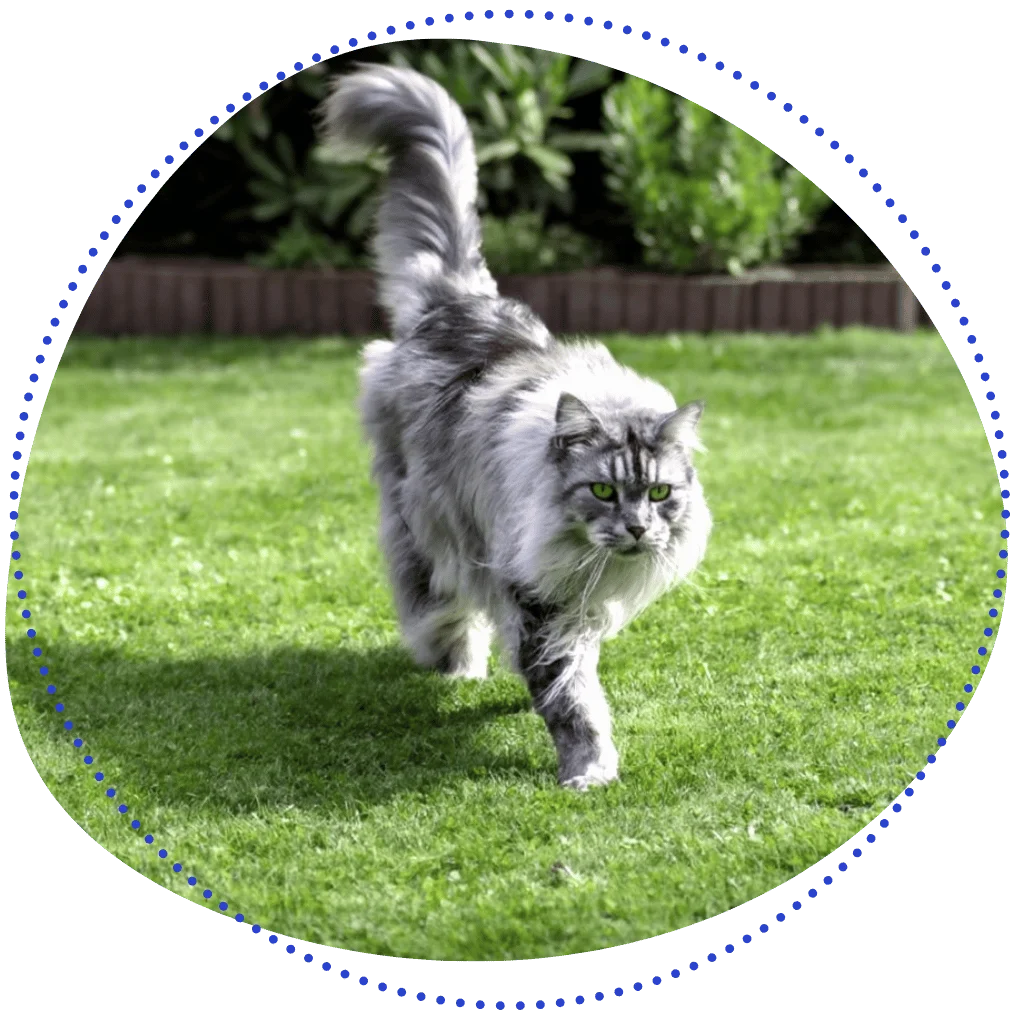
If you’re a cat lover, chances are you’ve stumbled upon the majestic Maine Coon and thought, “Wow, I need one of those gentle giants in my life!” Their fluffy tails, tufted ears, and affectionate personalities are enough to melt any heart. But for those of us who sneeze, sniffle, or break out in hives at the mere sight of a cat, one question looms large: are Maine Coons hypoallergenic?
Personal Experience
Let me share my experience as a Maine Coon owner and allergy sufferer. Over the past few years, I’ve learned the ins and outs of living with these giants, managing my allergies, and enjoying the unconditional love they bring. Here’s the real deal.
Maine Coons and Hypoallergenic Myths
First things first: Maine Coons are not considered hypoallergenic. Despite what you might read on casual forums, they’re rarely listed among breeds that produce fewer allergens. Many people confuse them with Siberians, which have a similar look but actually produce lower levels of Fel d 1 protein, the main culprit behind cat allergies.
| Facts | Details |
|---|---|
| Hypoallergenic | No |
| Misconception | Siberian |
| Allergen | Saliva |
| Fur | Spreads |
| Cause | Saliva |
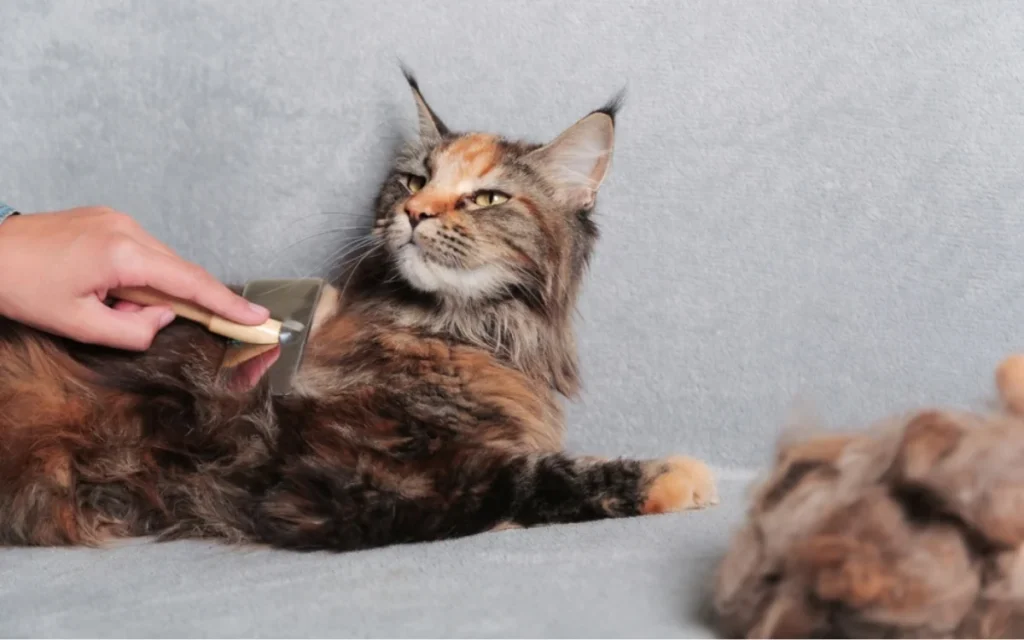
Here’s a crucial fact: cat allergies come mostly from saliva, not fur. When cats groom themselves, their saliva coats their fur, which then spreads allergens throughout your home. So even if a Maine Coon has long, luxurious hair, it’s not the fur itself causing sneezing it’s the saliva left behind.
No Cat Is 100% Hypoallergenic
I’ve scoured multiple owner reports and learned that no cat breed is completely hypoallergenic. Some, like Siberians, Balinese, Russian Blues, or Sphynx, produce noticeably fewer reactions, which is why they’re often recommended for allergy-sensitive households. Maine Coons, however, don’t usually appear on these recommended lists. That means if you’re highly sensitive, these cats are more likely to trigger symptoms compared to the so-called “hypoallergenic” breeds.
Allergic Risk
Low
Allergic Risk
Low
Allergic Risk
Low
Allergic Risk
Low
Allergic Risk
Higher
Owner Experiences Living With Maine Coons and Allergies
Here’s where it gets interesting. Many Maine Coon owners have shared surprising experiences. For instance:
From my own experience, these cats are affectionate and social but surprisingly manageable with small precautions. And while everyone’s reaction varies, there are practical ways to coexist happily.
Tips from the Community

Allergen Control
Regular grooming or occasional baths can noticeably lower allergen buildup on your Maine Coon’s fur.
Allergen-Reducing Diet
Foods like Purina LiveClear are formulated to reduce Fel d 1 levels and help minimize allergic reactions.
Medication Support
Daily antihistamines such as Claritin often make living with a Maine Coon much more comfortable for allergy-sensitive owners.
Home Management
Air purifiers, frequent cleaning, and setting cat-free zones can significantly reduce overall allergen exposure.
Adoption Guidance
If you have strong allergies, meeting Siberian parents beforehand helps predict your reaction to more hypoallergenic-leaning breeds.
Some owners even mentioned unusual anecdotes, like eating eggs from barn cats’ farms to reduce symptoms. While scientifically unproven, it shows how far allergy sufferers go to enjoy the company of their feline friends.
Comparing Maine Coons to Hypoallergenic Breeds
If you’re extremely sensitive, a Maine Coon might not be the first choice. Breeds like Siberians, Balinese, or Russian Blues are often more reliable for minimizing reactions. Here’s what you should know:
- Siberians: Often cost over $1,000, but produce significantly lower allergens.
- Balinese & Russian Blue: Known for lower Fel d 1 production and generally manageable in allergy-prone households.
- Short-haired Cats: Some people with reactions to short-haired breeds tolerate long-haired Maine Coons better.
Meeting the cat in the breeder’s home, spending time around the parents, and observing how your body reacts is crucial before adoption.
| Breed/Point | Allergy Insight |
|---|---|
| Maine Coon | Not ideal for high sensitivity |
| Siberian | Lower allergens; costly ($1k+) |
| Balinese | Produces less Fel d 1 |
| Russian Blue | Generally allergy-friendly |
| Short-Hair Cats | Sometimes cause stronger reactions |
| Adoption Tip | Meet cat & parents first |
Managing Allergies With a Maine Coon
Even if you’re set on a Maine Coon, there are proven strategies to reduce allergic reactions.
Grooming and Hygiene
Regular brushing and occasional baths help reduce allergens. Even a simple wipe-down with pet-safe wipes can make a big difference. I personally brush my Maine Coon daily, which significantly reduces the amount of loose fur and saliva-borne allergens around the house. Check one time grooming and toys setup.
Environmental Adjustments
Air purifiers in commonly used rooms and vacuuming with HEPA filters are life-savers. I also keep my bedroom a cat-free zone, which provides a safe haven when allergy symptoms flare up.
Diet and Health Care
Feeding your cat allergen-reducing diets, like Purina LiveClear, can cut down Fel d 1 protein in saliva. Also, maintaining a healthy coat through proper nutrition ensures less dander spreads through the house.
Medication Support
Antihistamines, either for household members or on-the-go wipes and sprays, can help. A combination of cleaning, diet, and medication often allows allergy sufferers to enjoy Maine Coons without constant sneezing.
Real-Life Stories
Several owners have shared compelling stories:
What’s clear is that individual experiences vary, but with care, Maine Coons can coexist with many allergy sufferers.
Extra Tips for Prospective Owners
These strategies bridge the gap between desire and practicality for allergy sufferers.
Conclusion: Can Allergy Sufferers Live With Maine Coons?
Here’s the honest truth: Maine Coons are not hypoallergenic, but that doesn’t automatically disqualify you from enjoying one. Many allergy-sensitive people tolerate them well, especially with proper grooming, environmental adjustments, and diet management.
From personal experience, the love, loyalty, and personality of a Maine Coon make every sneeze or sniffle worth it. If you’re a pet lover ready to take precautions, a Maine Coon can be a gentle giant companion for life.