
Your First Maine Coon Kitten? Here’s What Experienced Owners Wish They Knew Earlier
Practical tips from maine coon owners to help you raise a happy, healthy, and well-behaved gentle giant.

By Raymon Gregory
Maine Coon Owner
5 min read
Your First Maine Coon Kitten? Here’s What Experienced Owners Wish They Knew Earlier
Practical tips from maine coon owners to help you raise a happy, healthy, and well-behaved gentle giant.
5 min read
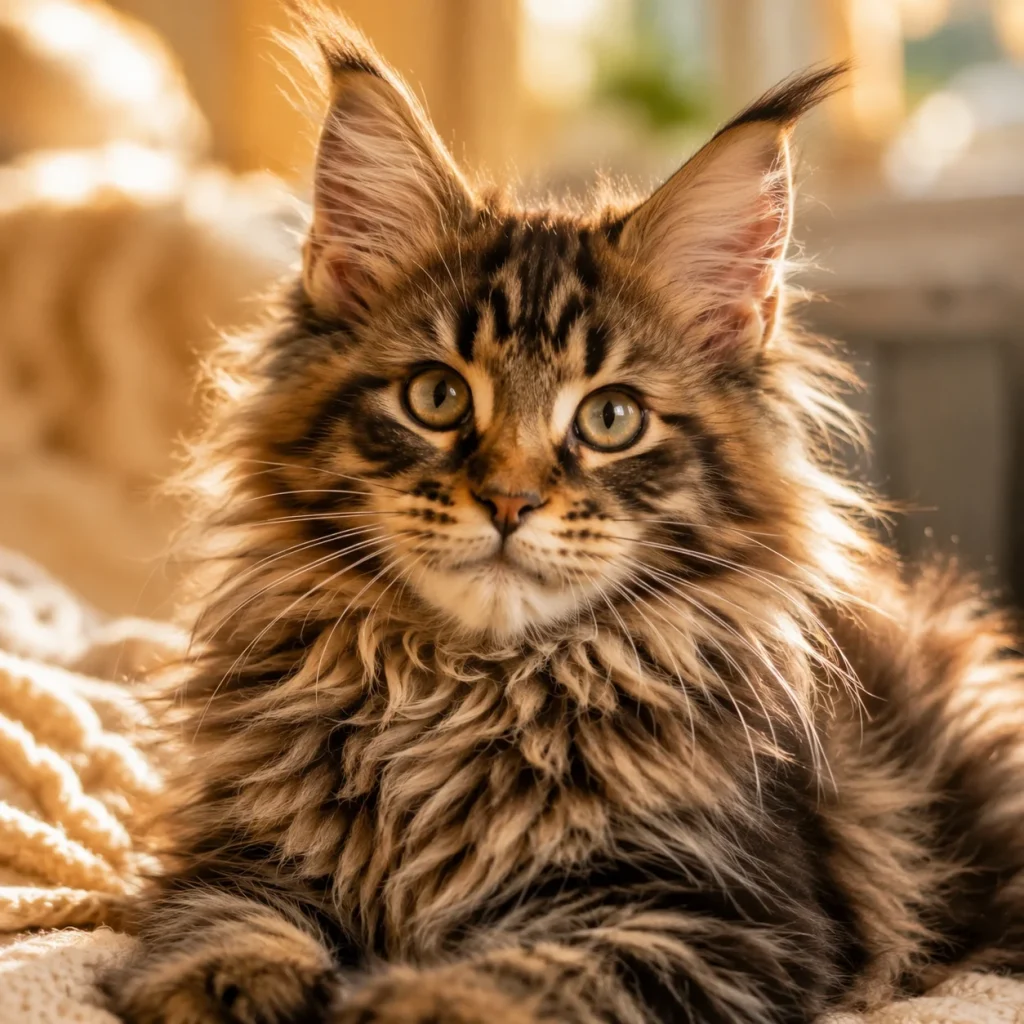
The day a Maine Coon kitten walks into your home, everything changes. One minute you think you are bringing home a cat, and the next you realize you have adopted a fluffy shadow that follows you everywhere, opens doors, climbs furniture like an athlete, and somehow becomes the center of your family. As a longtime cat lover, I can honestly say that every Maine Coon owner I know, including several friends who share their homes with giant Coons, tells the same story: these cats are bigger, smarter, and more involved in daily life than most people expect.
Grooming Starts Early
Big Cat
Furniture
Mental
Stimulation
Nutrition & Hydration
Spay/Neuter
Timing
Good
Habbit
If you are a first-time Maine Coon owner, you are probably wondering what you should buy, how much grooming is required, when to spay or neuter, and how to keep such an intelligent cat happy. Based on common experiences shared by Maine Coon owners, several themes recur: start grooming early, provide plenty of mental stimulation, invest in large cat furniture, and establish healthy routines from kittenhood.
 Start Grooming Earlier Than You Think
One of the most repeated recommendations from experienced owners is simple: groom your Maine Coon from day one. Many kittens tolerate brushing when they are young, but an adult Maine Coon with a thick coat can develop mats if grooming becomes a battle.
Short daily brushing sessions help kittens view grooming as a normal activity. Many owners pair brushing with treats, creating a positive association that lasts for years. This habit becomes especially valuable because Maine Coons often continue developing their full coats well into adulthood. Some owners report that their cats did not become truly fluffy until two to four years of age.
A quality metal comb, a soft brush, and patience are usually more important than expensive grooming gadgets. Consistency wins every time.
 Buy Big Cat Furniture Immediately
A common mistake among new owners is buying standard cat furniture. Maine Coons are famous for their size, strength, and athletic ability. What works for an average cat may feel cramped or unstable within months.
Large cat trees, oversized scratching posts, roomy litter boxes, and sturdy beds are often better long-term investments. Owners frequently mention replacing regular cat equipment after realizing how quickly their kittens outgrew it. A strong cat tree also provides exercise, climbing opportunities, and confidence-building activities for energetic kittens.
 Mental Stimulation Matters as Much as Exercise
Maine Coons are highly intelligent. Many learn routines, recognize words, and solve problems surprisingly fast. Because of this, physical exercise alone is not enough.
Food puzzles, interactive toys, climbing structures, snuffle mats, and regular play sessions help prevent boredom. This is especially important for apartment owners. Interactive enrichment allows indoor Maine Coons to use their natural hunting instincts safely.
Many owners also recommend teaching leash and harness skills early. Kittens are generally more adaptable than adults, making it easier to introduce outdoor adventures gradually. While not every cat will enjoy walks, starting young gives you the best chance of success.
 Nutrition and Hydration Should Be Priorities
Growing Maine Coons need excellent nutrition. Most experienced owners suggest continuing the breeder’s food initially to avoid digestive upset during the transition period. Kittens generally require more calories than adult cats, and many owners allow frequent meals throughout the day.
Fresh water should always be available. Maine Coons are known for drinking significant amounts of water, and some even enjoy splashing in their bowls. Water fountains can encourage healthy hydration, especially for cats that prefer moving water.
Whatever feeding approach you choose, consult your veterinarian and focus on complete, balanced nutrition designed for growing cats.
 Create Good Habits Before You Need Them
One of the smartest things you can do is teach cooperation while your kitten is still small. Handle paws regularly, trim nails gently, touch ears, inspect teeth, and reward calm behavior.
Several experienced owners strongly recommend introducing tooth brushing early. Dental care is much easier when a kitten grows up viewing it as a normal part of life. These small routines can reduce stress for both cats and owners later.
Kitten-proofing your home is equally important. Protect electrical cords, block dangerous hiding spots, and remove items that could be chewed or swallowed.
When Should You Spay or Neuter a Maine Coon?
This is one topic where owners often have different opinions. Some support early procedures, while others prefer waiting longer because Maine Coons mature more slowly than many cat breeds.
 However, most agree on one important point:
Preventing accidental breeding should be a priority, especially if you have both male and female kittens in the same home. Owners frequently note that cats can reach sexual maturity surprisingly early.
The best approach is discussing timing with both your breeder and veterinarian. They can evaluate your individual cat’s health, development, and circumstances before recommending the ideal schedule.
The Maine Coon Experience
Living with a Maine Coon is not just about owning a cat. It is about sharing your home with a curious companion that wants to be involved in everything you do.
They often follow family members from room to room, greet visitors, and develop strong bonds with their favorite people.
For first-time owners, the learning curve can feel intimidating. Fortunately, most success comes from simple habits: groom consistently, provide enrichment, buy appropriately sized equipment, establish healthy routines, and stay proactive with veterinary care.
Do those things, and your Maine Coon will reward you with years of affection, entertainment, and unforgettable moments. For many owners, one Maine Coon is never enough. Once you experience their personality, intelligence, and gentle nature, it becomes easy to understand why so many people fall in love with the breed.
The Golden Formula For Happy Maine Coon Ownership
Groom
Consistently
Provide
Encrichment
Buy the right size Equipment
Establish Healthy
Routiness
Stay Proactive For
Vet Care
One Final Tip
Let your Maine Coon be themselves. Every cat has a unique personality, and that’s part of what makes the breed so special. Some Maine Coons love curling up in your lap for hours, while others prefer staying close by without being overly cuddly. Give them space when they need it, celebrate the small milestones, and focus on building trust rather than forcing affection. Over time, you’ll create a bond filled with understanding, confidence, unforgettable memories, and plenty of daily moments that make sharing life with a Maine Coon truly rewarding.